Global Gambling Comparison Index A Comprehensive Overview

Global Gambling Comparison Index: An In-Depth Analysis
The Global Gambling Comparison Index is an essential tool for understanding the complexities and nuances of gambling across different countries and regions. As gambling continues to evolve as a global phenomenon, it is critical to analyze various factors, including regulations, market size, and social impacts. The index provides a comprehensive overview of how countries stack up against one another regarding their gambling activities and legislation. Through this analysis, stakeholders can gain insights into the global gambling landscape and make more informed decisions. For more information, visit global gambling comparison index https://sensingculture.org.uk/.
Understanding the Index
The Global Gambling Comparison Index aggregates data from various countries to create a ranking system that reflects the gambling industry’s size, legality, and socio-economic impacts. By comparing different national markets, researchers and policymakers can identify trends, opportunities, and challenges. Key variables include:
- Legislation: Examining how laws and regulations govern gambling within each country.
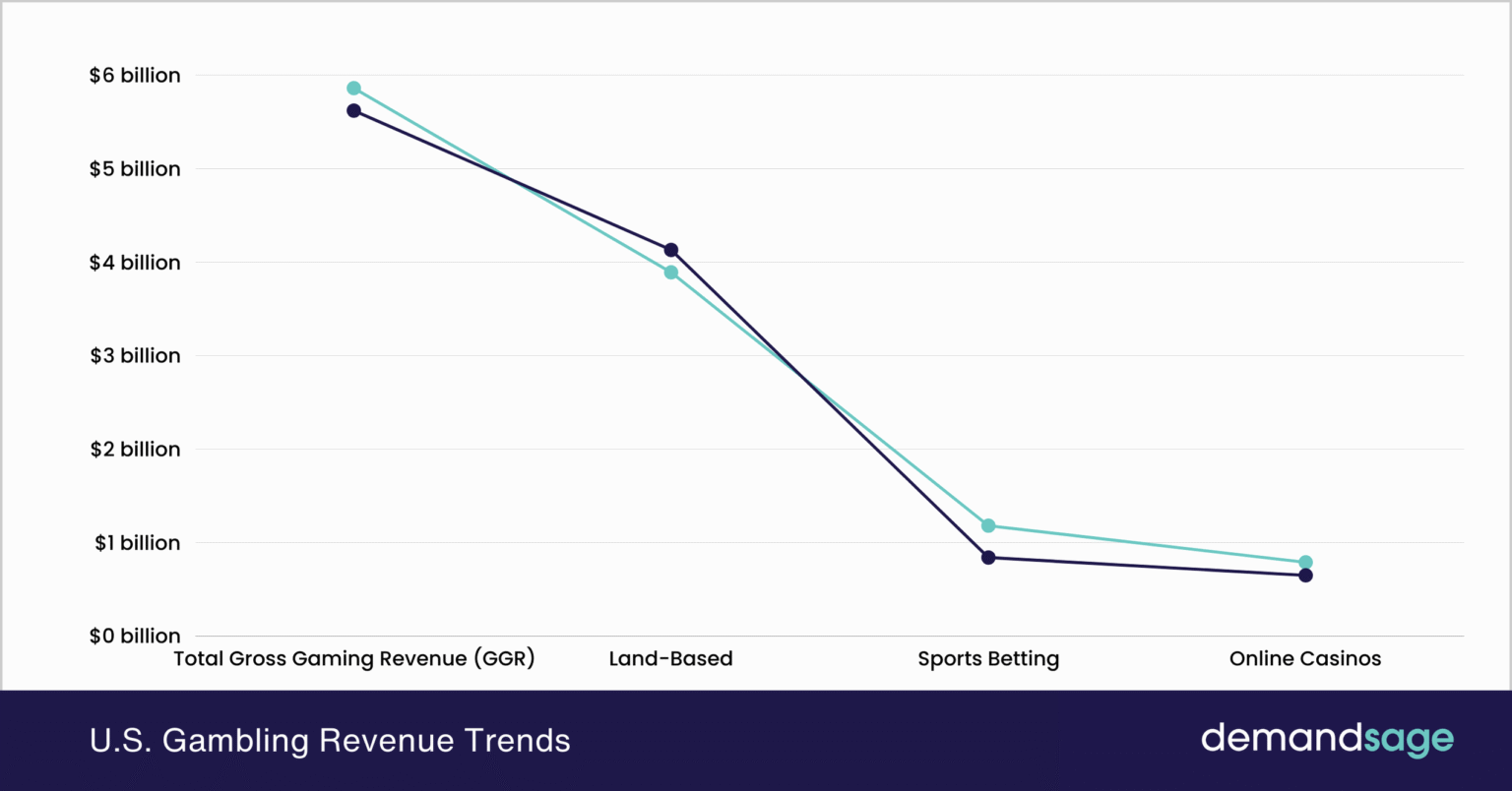
- Market Size: Assessing the revenue generated by the gambling industry, including both land-based and online gambling.
- Consumer Behavior: Understanding societal attitudes towards gambling, including participation rates and demographics.
- Economic Impact: Evaluating the gambling sector’s contribution to the economy through job creation, taxation, and tourism.
Global Trends in Gambling
Across the world, gambling is becoming more mainstream, with a noticeable increase in online gaming platforms. The COVID-19 pandemic accelerated the adoption of digital gambling solutions as physical establishments faced restrictions. Countries that previously had strict gambling laws are now considering reforms to capitalize on the potential economic benefits. The Global Gambling Comparison Index reflects these shifts, revealing a growing acceptance of gambling as a legitimate form of entertainment and revenue generation.
Regional Differences
When examining the index, significant regional variations emerge. For example:
- North America: The legalization of sports betting in the United States prompted a boom in the gambling market. The comparison index shows rapid growth in states with liberalized gambling laws.
- Europe: Many European countries have well-established gambling markets with diverse offerings, from traditional casinos to innovative online platforms. However, regulations vary widely, affecting participation and revenue.
- Asia: Countries like Singapore and Macao are leading in terms of revenue, but strict regulations in others, such as China, limit market growth. Nonetheless, there’s a rising interest in online gambling throughout the region.
Key Players and Stakeholders
The gambling industry comprises various stakeholders, including government entities, private operators, and consumers. Each plays a vital role in shaping the gambling landscape:
- Governments: Responsible for regulating the gambling industry, ensuring consumer protection, and managing tax revenue.
- Operators: Companies that provide gambling services, whether online or offline. Their business models can vary significantly depending on the legal framework in their jurisdictions.
- Consumers: Individuals engaging with gambling products. Understanding their preferences and behavior is crucial for operators and regulators alike.
The Impact of Technology
Technological advancements have revolutionized gambling, leading to the rise of online casinos and mobile betting applications. The Global Gambling Comparison Index highlights how countries adapt to these changes:
- Online Platforms: Many countries have embraced online gambling, recognizing the potential for increased tax revenue and consumer engagement.
- Blockchain and Cryptocurrencies: As digital currencies gain traction, a new wave of gambling options has emerged, appealing to tech-savvy consumers.
- Data Analytics: Operators are increasingly using data to understand consumer preferences, improve marketing strategies, and enhance player experiences.
Social Considerations
With the growth of gambling, social implications must be addressed. Issues such as problem gambling, addiction, and the overall societal impact of gaming cannot be overlooked:

- Problem Gambling: Some individuals may develop gambling addictions, leading to significant personal and social consequences.
- Regulatory Measures: Many governments are implementing measures to protect consumers, including self-exclusion programs and awareness campaigns.
- Cultural Perspectives: Attitudes toward gambling vary widely across cultures, influencing how gambling is approached and regulated.
Future Outlook
As the gambling industry continues to evolve, the Global Gambling Comparison Index will play a critical role in shaping future policies and regulations. Understanding global trends, consumer behavior, and technological advancements will be essential for stakeholders aiming to navigate this dynamic landscape effectively. Countries must strike a balance between promoting economic growth through gambling and addressing the potential social harms associated with it.
Conclusion
The Global Gambling Comparison Index serves as a vital resource for understanding the ever-changing world of gambling. By examining legislation, market trends, and socio-economic factors, the index enables stakeholders to make informed decisions and adapt to the evolving landscape. As countries continue to explore the potential of the gambling industry, it is crucial that they prioritize responsible gambling practices while maximizing economic opportunities. The future of gambling is not just about profit; it’s about shaping a sustainable industry that benefits society as a whole.











Hinterlasse eine Antwort
Melde dich an oder erstelle ein neues Konto, um Beiträge zu kommentieren und im Forum mitdiskutieren zu können!